


History of ICMR-NIRT
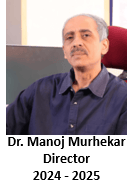
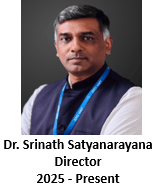
Directors
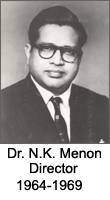
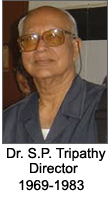
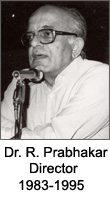
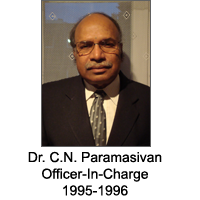
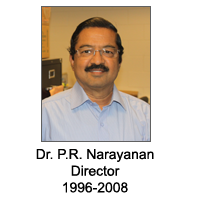
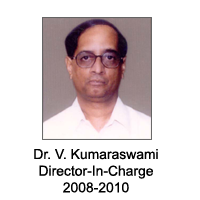
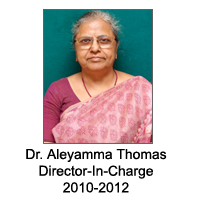
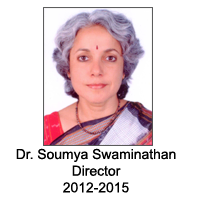
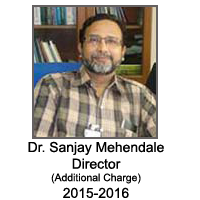
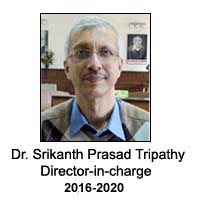
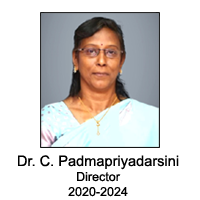
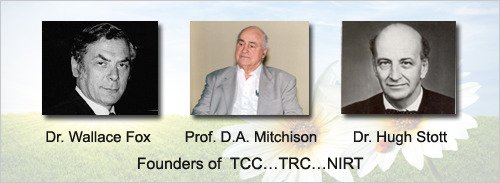
Founders
Establishment of Tuberculosis Chemotherapy Centre
Tuberculosis Chemotherapy Centre was set up in Madras as a five-year project under ICMR, Government of Tamil Nadu, WHO, and BMRC. The objective was to study the mass domiciliary application of chemotherapy for pulmonary TB treatment. Started with 8 international staff from WHO and national staff from ICMR and Tamil Nadu government, led by Dr. Wallace Fox (BMRC).
Threat of Closure & Leadership Change
The Centre faced the threat of closure after its initial five-year period. Dr. Hugh Stott succeeded Dr. Wallace Fox as WHO Senior Medical Officer and led the Centre for the next six years.
Made a Permanent Institute
The Centre was made a permanent establishment under ICMR. Dr. N.K. Menon became the first national Director. WHO staff members were withdrawn as national counterparts were trained.
WHO Staff Withdrawal
The last WHO Bacteriologist and Medical Officer left the Centre.
ICMR Absorbs Staff
The Tamil Nadu government staff working at the Centre were absorbed by ICMR in April. The last WHO Senior Medical Officer left in July. With WHO’s withdrawal, the scientific direction of the research became a national responsibility.
New Director Appointment
Dr. S.P. Tripathy succeeded Dr. N.K. Menon as Director.
Formation of Scientific Advisory Committee
The last WHO staff member (a laboratory technologist) left in January. A Scientific Advisory Committee was formed, consisting of eminent Indian scientists and TB experts, to guide research.
Establishment of Ethical Committee
An Ethical Committee was constituted in July to ensure ethical standards in clinical trials involving human patients.
Expansion & Renaming as Tuberculosis Research Centre
The Tamil Nadu government granted 1 hectare of land to ICMR on long lease for expansion. The second block (four stories) was built with ICMR funds. The Tuberculosis Chemotherapy Centre was renamed "Tuberculosis Research Centre (TRC)." A subsidiary unit was set up at Lady Wellington Hospital, Bangalore, in collaboration with the National Institute of Tuberculosis.
Relocation of Bangalore Unit to Madurai
The Bangalore unit was relocated to Madurai (Government Rajaji Hospital). The Madurai unit was expanded, and by the 2000s, it had 40 staff members and played a key role in clinical trials. Dr. R. Prabhakar became Director.
Clinical Trial on Shortened TB Treatment
TRC initiated a randomized clinical trial testing 3-, 4-, and 5-month TB treatment regimens using ofloxacin.
New Director Appointment
Dr. P.R. Narayanan became Director.
Establishment of HIV/AIDS Division
A separate HIV/AIDS division was established at TRC. This division conducted clinical trials for managing and preventing tuberculosis in HIV/AIDS patients.
Publication of Clinical Trial Results
Results of the 1995 clinical trial were published. The study showed that TB treatment could be shortened to 4 or 5 months, generating global interest in quinolones for TB.
Golden Jubilee & Inauguration of Clinical Facility
TRC celebrated its Golden Jubilee. A state-of-the-art clinical patient care facility was inaugurated in February. This ₹8.75 crore, 6250 sq. meter, 4-story building had modern facilities such as Digital X-ray, pulmonary labs, emergency rooms, and an HIV laboratory. Advanced infrastructure including fiber-optic broadband, disabled-friendly access, fire detection, and solar-powered water systems were introduced.
Renaming as National Institute for Research in Tuberculosis (NIRT)
TRC was renamed the "National Institute for Research in Tuberculosis (NIRT)."
